Proper nutrition is vital to staying physically, mentally, and emotionally healthy after a hysterectomy.
One of the reasons I didn’t want a hysterectomy was the horror stories I heard about weight gain after the surgery. That a few years post-hysterectomy, some women had gained 20, 30, or even 50 pounds.
In all honesty, I didn’t want that for myself.
I love to eat, and there’s nothing wrong with that. But I love to eat, a lot! And I didn’t want to have to give up food just to maintain an ideal weight.
Before my hysterectomy, several foods gave me excruciating pain. So, I experimented with which foods I could and couldn’t eat. I started eliminating any foods that made me feel sick.
Dairy products, especially cheese, yogurt and milk, were difficult for me to give up, but I managed to remove them from my meals. That gave me some relief, but not enough. I also eliminated all forms of refined sugar, but retained natural sugars from fruit and honey. I loved donuts, cake, ice cream, you name it, so this was tough for me. All these helped somewhat. I didn’t eat lots of fried foods to begin with, but I made an effort to remove them as well. Additionally, I also tried to remove meats to see if that would alleviate my pain. Unfortunately, I couldn’t remove them altogether and it led to bouts of nausea.
I found that red meats made me sick, but eating fish, chicken, shrimp and eggs worked with my body and eliminated my nausea. From time to time, I’ll add some cream to a meal if a recipe calls for it. But then again, only sparingly. Other than that, I’ve left off all refined sugars, red meats, and other dairies except for small amounts of cream in cooking, which has made a difference for me.
I love all sorts of starches, including rice, cereal, oatmeal, and bread, so refused to eliminate them completely from my diet. Instead, I painstakingly selected which ones to eat, and eat them moderately. I chose a bran cereal with no sugar, along with oat milk. This allows me to still enjoy regular foods without giving them up entirely.
When it comes to nutrition, I’d suggest finding what works for you, makes you feel healthy inside and out, then sticking with it. If you give up a food you love, find a healthy replacement you love equally to make the transition easier and more sustainable long term.
I played with my nutrition after my hysterectomy.
Even though I ate healthily 90 to 95% of the time, my body revolted against me. Within the first six months after surgery, I had gained over 23 pounds. I tried everything. Eating smaller meals throughout the day, eating my last meal a couple of hours before bedtime, having a calorie deficit, regular exercise, you name it. I didn’t know what to do. I wasn’t sure if my weight gain was because I could keep food down better or due to my hysterectomy.
I want to pause here for a second before I share what worked for me, because my thinking on this has evolved since I first wrote this page.
When I originally wrote about intermittent fasting, I was convinced it was the answer. It had worked really well for me and I wanted every woman struggling with weight after a hysterectomy to try it. But over the years, as I continued researching and hearing from women in similar situations, I realized it’s not that simple. Intermittent fasting is a tool, not a requirement. And for some women, especially those dealing with hormonal changes, disrupted sleep or high stress, it may need to be approached more carefully or may not be the right fit at this time.
So take what I share here as my personal experience, not a prescription. What worked for me may not work for you, and that’s okay. The goal is finding what works for your body.
That said, here’s what I experienced. I eventually decided to try intermittent fasting with a five- to six-hour eating window on most days, and within three months I had dropped ten pounds. For me, pairing it with whole foods and consistent movement made the difference.
If you’re curious about intermittent fasting, it’s worth exploring. But go in with flexibility. Start with a gentle 12-hour window, eating from 7am to 7pm for example, and see how your body responds. If your sleep gets worse, your energy drops or food becomes all you think about, that’s your body telling you it needs something different. Listen to it.
And if fasting doesn’t feel right for you at all, that’s a completely valid conclusion. Focusing on whole foods, consistent movement, managing stress and getting better sleep can also move the needle. There’s more than one path to feeling better in this season of your life.
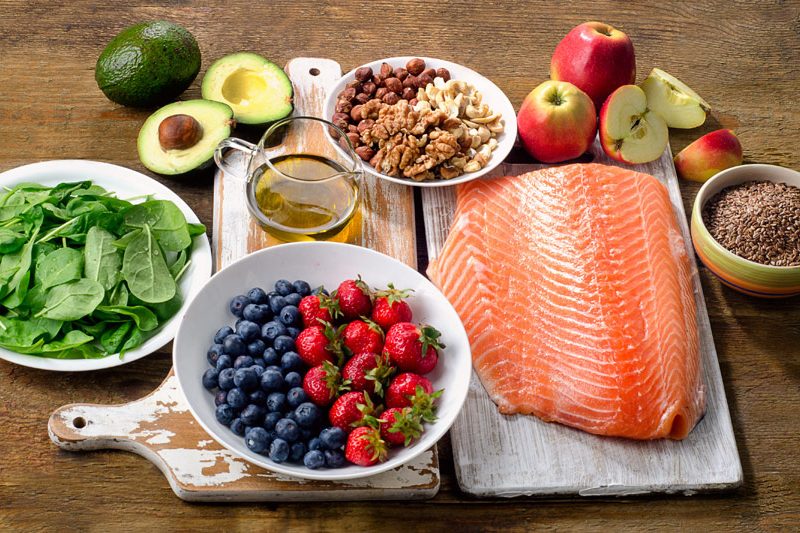
I also decided to primarily eat more raw foods and one-ingredient foods and add protein to most meals.
It’s been years since my hysterectomy, and I’ve been able to maintain a healthy weight. I truly believe this is due to coupling healthy nutrition, consistent movement and finding what works for my body.
I also try to stop my last meal a few hours before bedtime. Since I mainly eat vegetables and fruit, I often eat them freely. However, I’m careful to watch my nut intake, as these add up quickly when it comes to nutrition. In fact, when I add too many nuts to my diet, I tend to gain weight even when I’m doing everything else correctly.
I don’t go crazy with calorie counting, but since I prepare most of my meals, I can better track my foods and portion sizes.
I’m also not as ill as I was in the past because I eat lots of fruits and veggies. My tummy aches, headaches and quarterly colds have reduced greatly because I get my vitamins regularly through nutrition. With that said, I still take a multivitamin and other over-the-counter vitamins.
Drinking water is also important for nutrition, and this is an area that I personally struggle with. However, the vegetables and fruits provide some of the water my body needs as well. I try to drink at least 32 to 64 ounces of water each day, but if I don’t reach my daily-intake goal, I don’t stress. I just do my best and try again.
There are mixed thoughts on water intake in the health sphere, from drinking half your body weight to drinking at least 64 ounces per day. I’m not a medical professional or nutritionist, so I just do what makes my body feel its best. If I start getting headaches or stomachaches or feeling constipated, that’s usually a sign that I need to add more water to my day. If I have trouble losing weight, that’s another indication that my body needs more water.
If you’ve had a hysterectomy and are still struggling with your weight, keep experimenting. What works is different for every woman, and finding your own combination of food, movement and rest is part of the process. Be patient with yourself and don’t kick yourself if you mess up from time to time. No one is perfect. It takes time, and it’s okay if you don’t have a perfect day every day. I sure don’t. It’s a process that takes time.
Everyone’s body is different and adjusts at its own pace, whether that’s a few weeks, months or years.
If you need help tracking your progress, a journal or fitness app can help.